


In today's fast-paced automotive industry, customer relationship management (CRM) has become more crucial than ever. With the rise of digital technologies and evolving consumer behaviors, automotive businesses need to adapt to stay ahead of the competition. That's where Automotive CRM comes into play, revolutionizing the way businesses engage with their customers. Let's delve into the world of Automotive CRM and explore how it's reshaping the landscape of customer interaction.
Understanding the Essence of Automotive CRM
At its core, Automotive CRM is a strategic approach that focuses on building and maintaining strong relationships with customers throughout their automotive journey. It goes beyond traditional sales and marketing tactics, incorporating data-driven insights and personalized communication to enhance customer satisfaction and loyalty.
The Key Components of Automotive CRM
- Data Management: Centralized storage and analysis of customer data to gain valuable insights into preferences, behaviors, and purchase history.
- Lead Management: Streamlining the process of capturing, nurturing, and converting leads into loyal customers.
- Marketing Automation: Leveraging automation tools to deliver targeted and personalized marketing campaigns across various channels.
- Sales Enablement: Equipping sales teams with the necessary tools and information to effectively engage with customers and close deals.
The Impact of Automotive CRM on Business Performance
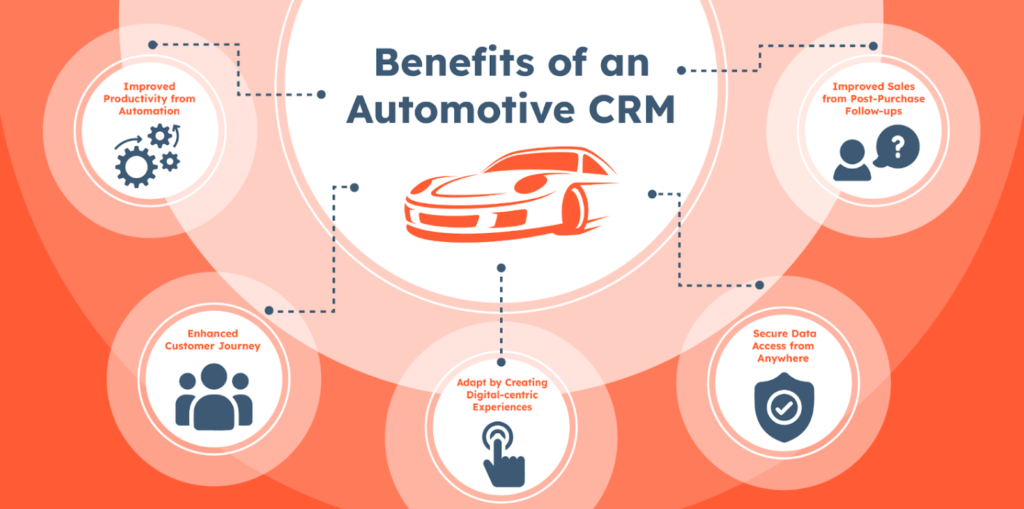
Implementing an Automotive CRM system can yield significant benefits for automotive businesses, ranging from increased sales and customer retention to improved operational efficiency and streamlined processes. By harnessing the power of data and automation, businesses can deliver seamless and personalized experiences that resonate with today's discerning consumers.
The Evolution of Automotive CRM
Gone are the days of generic mass marketing and one-size-fits-all approaches. Automotive CRM has evolved to meet the ever-changing needs of both businesses and customers. With advancements in technology such as artificial intelligence and predictive analytics, Automotive CRM systems are becoming more intelligent and intuitive, enabling businesses to anticipate customer needs and deliver hyper-personalized experiences.
Embracing Digital Transformation
In the digital age, consumers expect seamless experiences across all touchpoints, from browsing online inventory to scheduling service appointments. Automotive CRM facilitates this digital transformation by integrating with various digital platforms and touchpoints, allowing businesses to deliver consistent and cohesive experiences throughout the customer journey.
The Role of Mobile CRM in Automotive
Mobile CRM has emerged as a game-changer in the automotive industry, empowering sales and service teams to stay connected and productive on the go. Whether it's accessing customer information, managing leads, or following up on inquiries, mobile CRM puts the power of Automotive CRM in the palm of your hand, enabling real-time responsiveness and agility.
Challenges and Opportunities
While Automotive CRM offers tremendous opportunities for businesses to enhance customer engagement and drive growth, it's not without its challenges. From data privacy concerns to resistance to change, businesses must navigate various hurdles on the road to CRM success. However, by investing in robust training, fostering a culture of innovation, and prioritizing customer-centricity, businesses can overcome these challenges and unlock the full potential of Automotive CRM.
Navigating Data Privacy and Compliance
With the increasing scrutiny on data privacy and regulations such as GDPR and CCPA, automotive businesses must prioritize data security and compliance when implementing Automotive CRM systems. By adopting best practices for data handling and ensuring transparency and consent, businesses can build trust and confidence with their customers while mitigating the risk of non-compliance.
Harnessing AI and Predictive Analytics
Artificial intelligence and predictive analytics are reshaping the future of Automotive CRM, enabling businesses to anticipate customer behavior and preferences with unprecedented accuracy. By leveraging AI-driven insights, businesses can tailor their marketing efforts, personalize product recommendations, and proactively address customer needs, driving engagement and loyalty.
The Future of Automotive CRM: Innovations on the Horizon
As technology continues to advance and consumer expectations evolve, the future of Automotive CRM looks brighter than ever. From virtual reality showrooms to AI-powered virtual assistants, the possibilities are endless. By embracing innovation and staying agile, automotive businesses can stay ahead of the curve and deliver unparalleled experiences that delight and inspire customers.
Embracing Change and Innovation
In today's dynamic marketplace, standing still is not an option. Automotive businesses must embrace change and innovation to thrive in an increasingly competitive landscape. Whether it's adopting emerging technologies, reimagining business processes, or fostering a culture of continuous improvement, the key to success lies in staying agile and adaptable.
Building Lasting Relationships
At the heart of Automotive CRM is the belief that strong relationships drive business success. By putting customers at the center of everything they do and investing in meaningful interactions, automotive businesses can build lasting relationships that transcend transactions. Whether it's a first-time buyer or a loyal enthusiast, every interaction is an opportunity to delight and inspire.
FAQs (Frequently Asked Questions)
1. How does Automotive CRM differ from traditional CRM?
- Automotive CRM is tailored specifically to the needs and challenges of the automotive industry, incorporating features such as lead management, inventory tracking, and service scheduling.
2. Can small automotive businesses benefit from Automotive CRM?
- Absolutely! Automotive CRM systems come in various sizes and configurations, making them accessible to businesses of all scales. Whether you're a small independent dealership or a large franchise, Automotive CRM can help streamline operations and drive growth.
3. Is data security a concern with Automotive CRM?
- Data security is a top priority in Automotive CRM systems, with robust encryption and access controls to safeguard sensitive information. Additionally, businesses can implement data privacy policies and procedures to ensure compliance with regulations.
4. How can Automotive CRM help improve customer satisfaction?
- By leveraging data insights and personalization, Automotive CRM enables businesses to deliver tailored experiences that resonate with customers, leading to higher satisfaction and loyalty.
5. What role does customer feedback play in Automotive CRM?
- Customer feedback is invaluable in Automotive CRM, providing insights into areas for improvement and opportunities for innovation. By soliciting and acting on feedback, businesses can continuously refine their products and services to better meet customer needs.
